 By Saurav Mehra
 South Delhi’s builder floors reportedly saw up to a 32% price rise in Q1 2026 alone, driven by the simple fact that a builder floor conveys a proportionate share of freehold land, an asset that’s becoming genuinely scarcer in established colonies like South Extension and Chhatarpur. Meanwhile, apartments in the same broader NCR market continue commanding buyers through a completely different value proposition: security desks, clubhouses, swimming pools, and someone else worrying about the lift. Both purchases can range anywhere from ₹1 crore to ₹40 crore in Delhi’s premium markets, but they genuinely aren’t the same kind of asset, and understanding exactly how they differ matters before you commit.
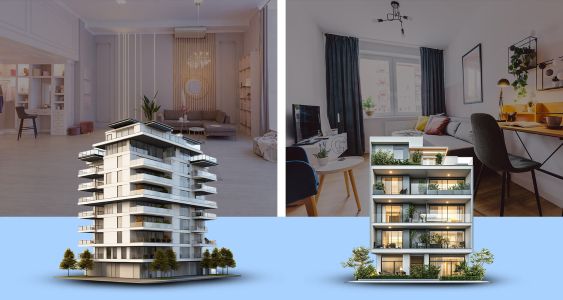
What Each Option Actually Is
- A builder floor is a low-rise independent unit occupying an entire floor of a 2-4 storey building on an individual plot, where the buyer owns one full floor along with a proportionate share of the land beneath it, rather than sharing a floor with multiple neighbours.
- An apartment is a residential unit within a high-rise or mid-rise building, typically developed as part of a gated society offering shared amenities like lifts, security, parking, and a clubhouse, but where you own only the unit itself, not any share of the land.
- Builder floors are especially common in Delhi NCR, dominant in areas like South Delhi (Chhatarpur, Kalkaji, Greater Kailash), while apartments concentrate more in high-rise-friendly zones like Dwarka, Rohini, Noida, and Gurgaon.
The Price and Space Comparison
- Builder floors are generally more expensive per square foot, typically ₹15,000-₹30,000 in Delhi NCR, compared to ₹10,000-₹25,000 for comparable apartments, largely reflecting the value of the land ownership rights that come attached.
- Despite the higher per-square-foot cost, builder floors often deliver 15-25% more carpet area than a comparable society flat at similar total pricing, plus up to 10% more usable built-up area compared to an apartment of similar carpet area.
- A 3BHK builder floor in South Delhi can range anywhere from ₹1 crore to ₹3 crores, depending heavily on plot size, exact location, and which floor you’re purchasing (ground floors typically command different pricing than top floors).
- Apartments generally remain more budget-friendly due to economies of scale in large-scale development, making them the more accessible entry point for buyers with tighter budgets.
Appreciation Potential — Where Builder Floors Currently Lead
- Builder floors have shown genuinely strong appreciation in premium, land-scarce localities, with South Delhi specifically reporting up to a 32% price rise in Q1 2026 alone, driven directly by the underlying land ownership component.
- In established, land-constrained colonies like Delhi’s South Extension or Chennai’s Adyar, builder floors are genuinely rare, a scarcity that continues driving up capital appreciation as demand outpaces available supply.
- Apartments in high-growth corridors can also appreciate strongly, some Gurgaon apartment projects have reportedly doubled in value within just 3-4 years, but this growth tends to be driven more by infrastructure development and project positioning than by underlying land scarcity.
Rental Yield — Where Apartments Generally Win
- Apartments typically offer higher rental yields, generally 2.5-3.5%, compared to builder floors at roughly 2-2.5%, largely because apartments come with better amenities and considerably broader tenant demand from renters specifically seeking gated-community conveniences.
- This yield gap matters most for investors prioritising steady rental income, since apartment tenants are often willing to pay a premium for security, parking, and shared facilities that many builder floors simply don’t offer.
The Genuine RERA and Legal Due Diligence Gap
- Large apartment projects fall under RERA’s project-registration net, giving buyers meaningful legal protections around delivery timelines, project specifications, and developer accountability.
- Standalone builder-floor developments on individual plots generally sit below RERA registration thresholds, since they’re small buildings rather than large registered projects, meaning considerably more of the diligence burden falls on the buyer directly.
- For builder floors specifically, buyers should independently verify the title chain, sanctioned building plan, completion certificate, and the builder’s track record, since the institutional oversight RERA provides for large apartment projects simply isn’t automatically present here.
- Buyers in cities where builder floors are less common, or first-time buyers without experience navigating complex property title chains, may find this additional verification burden introduces genuine risk that a RERA-registered apartment purchase avoids entirely.
Lifestyle and Ownership Experience
- Builder floors offer greater privacy with considerably fewer neighbours sharing the building, independent entrances or private staircases in some cases, and genuine freedom to renovate or modify interior layouts, move walls, add bay windows, without needing society approval.
- Builder floors also typically carry lower monthly costs, since minimal or no society maintenance fees apply, unlike apartments where monthly maintenance charges are a standard, ongoing expense.
- Apartments offer the reverse trade-off: community living, shared amenities, and considerably stronger security infrastructure, generally including gated entry, surveillance systems, and dedicated staff, appealing especially to families prioritising convenience and safety over customisation.
Tax Benefits — Largely Identical for Both
- Interest and principal repayment deductions under Sections 24 and 80C of the Income Tax Act apply identically to both apartments and builder floors from the point of possession.
- Apartments do often come with an additional practical advantage during the purchase process: developer subvention schemes during construction, where the developer covers interest payments until possession, a financing structure less commonly available for standalone builder-floor purchases.
When a Builder Floor Is Genuinely the Better Choice
- You prioritise space and privacy over shared amenities and community living.
- You’re buying in a market like Delhi NCR where the builder floor format is well-established with genuine resale precedent.
- You’re willing to do the additional title due diligence that a smaller, non-RERA-registered building genuinely requires.
- You want exposure to land value appreciation specifically in an established, land-scarce locality.
When an Apartment Is Genuinely the Better Choice
- You want RERA-backed legal protection and a more straightforward, institutionally verified purchase process.
- You prioritise security, amenities, and community living, particularly relevant for families with children or elderly members.
- You’re seeking stronger rental yield as an investor, since apartments generally attract broader tenant demand.
- You’re a first-time buyer without extensive experience navigating complex property title verification.
The Bottom Line
Builder floors and apartments represent genuinely different investment and lifestyle propositions rather than one being universally superior, builder floors offer privacy, more space per rupee, and strong land-driven appreciation potential in established localities, but demand considerably more legal due diligence given limited RERA coverage, while apartments provide institutional oversight, amenities, security, and stronger rental yields, at the cost of shared living and no direct land ownership. The right choice genuinely depends on whether you prioritise space and long-term land appreciation over convenience and legal certainty, making it worth consulting a property lawyer for builder floor title verification specifically, regardless of which option you ultimately choose. This is general informational content, not personalised legal or financial advice; engaging a qualified property lawyer and verifying RERA registration status directly remains genuinely essential before finalising either type of purchase.
Frequently Asked Questions
Q1. Why do builder floors carry more legal risk than apartments if both are freehold properties in the same area?
A: The risk isn’t about freehold status itself, both are typically freehold and convey through a registered sale deed, but standalone builder-floor developments on individual plots generally fall below RERA’s project-registration threshold, meaning buyers must independently verify the title chain, sanctioned building plan, and completion certificate, oversight that large RERA-registered apartment projects handle at the institutional level.
Q2. Is a builder floor genuinely a better investment than an apartment in every Delhi NCR location?
A: No, builder floor appreciation is strongest specifically in established, land-scarce localities like South Delhi where land ownership genuinely drives value, while in newer, high-growth corridors like parts of Gurgaon or Noida, apartments have shown equally strong or sometimes stronger appreciation, driven by infrastructure development rather than land scarcity.
Q3. Do builder floors and apartments get the same home loan tax benefits?
A: Yes, interest and principal repayment deductions under Sections 24 and 80C apply identically to both property types from the point of possession, though apartments sometimes offer developer subvention schemes during construction that reduce your interest burden before possession, a financing option less commonly available for builder floors.
Q4. Which option is genuinely safer for a first-time buyer with no prior real estate experience?
A: An apartment in a RERA-registered project is generally the safer choice for first-time buyers, since the institutional oversight, project registration, and developer accountability RERA provides considerably reduces the verification burden compared to a builder floor purchase, which requires independently confirming the title chain and builder track record without that same regulatory safety net.