 By Saurav Mehra
 A single word buried deep inside a property brochure, right under the floor plan and amenities list, can quietly decide whether you truly own your home or are essentially a very long-term tenant on someone else’s land. That word is “leasehold” or “freehold,” and with Delhi, Mumbai, and Noida property prices climbing to record highs in 2026, not understanding this distinction before you buy can cost you far more than money, it affects your home loan eligibility, your ability to resell, and your peace of mind for decades. Whether you’re eyeing a DDA flat in Dwarka, an MHADA apartment in Mumbai, or a plotted development in Gurugram, this single ownership classification shapes nearly everything that follows.
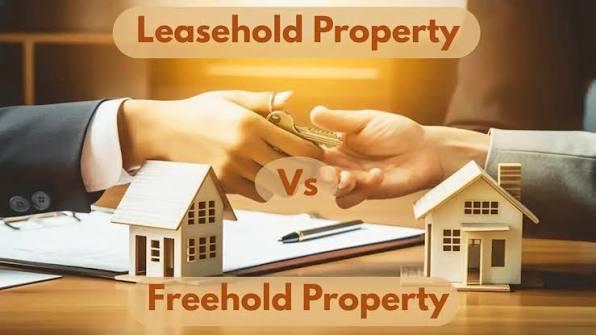
The Core Difference in Plain Terms
- A freehold property gives you perpetual, outright ownership of both the land and the building on it, with no expiry date attached and no ongoing dues owed to any authority for that ownership.
- A leasehold property means you own the right to occupy and use the building or apartment for a fixed number of years, typically 30, 60, or 99, but you don’t own the land beneath it.
- On a leasehold property, the land continues belonging to the freeholder, which could be a government body like the DDA, a state housing board, MHADA, CIDCO, or in some cases a private landlord.
- Once a lease period expires, ownership of the property technically reverts to the freeholder unless the lease is formally renewed, usually by paying a renewal premium and associated legal fees.
Where Each Type of Ownership Is Commonly Found
- Leasehold properties are common in government-allotted housing schemes, cantonment areas, and certain nazul land properties, DDA flats in Delhi, MHADA apartments in Mumbai, and similar authority-allotted housing are frequently structured this way.
- Freehold properties dominate most private developer projects and plotted developments, where the buyer purchases both the structure and the underlying land outright from day one.
- Many leasehold agreements include a renewal clause, allowing the leaseholder to extend the lease for another fixed term, though this typically involves an additional cost and paperwork rather than happening automatically.
The Genuine Restrictions That Come With Leasehold
- On a leasehold property, you own the building, not the land beneath it, a distinction that shapes nearly every other limitation on this list.
- Annual ground rent and maintenance or service charges are usually payable to the freeholder throughout the lease period, an ongoing cost freehold owners simply don’t carry.
- Major structural changes require the freeholder’s approval, meaning even significant renovations to your own home may need formal sign-off from the government body or landlord holding the land.
- Transfers, sales, and mortgages often require a No Objection Certificate (NOC) from the freeholder, adding an extra layer of bureaucracy and potential delay to transactions that would be considerably simpler on a freehold property.
Why Freehold Genuinely Commands a Premium
- Freehold ownership offers stronger home loan collateral, since banks generally view unrestricted land-and-building ownership as lower risk, often leading to faster approvals and more favourable loan terms compared to a leasehold equivalent.
- Freehold properties typically enjoy quicker capital appreciation and stronger resale demand, driven by the unrestricted ownership structure and the absence of any expiring lease clock ticking in the background.
- Freehold usually commands a higher price than an identical leasehold unit in the same location, precisely because buyers are willing to pay a premium for perpetual, unrestricted ownership.
- Full ownership makes selling, transferring to heirs, and mortgaging considerably easier, since there’s no need to seek a freeholder’s permission or navigate lease-related conditions before completing these transactions.
When Leasehold Still Makes Genuine Sense
- Leasehold can be a reasonable choice if the property sits in a prime location where freehold equivalents simply don’t exist, a well-located DDA flat in central Delhi being a common example.
- It can also suit buyers with a short-term usage horizon, where the upfront cost difference between leasehold and freehold options is significant enough to matter more than long-term ownership concerns.
- If the lease period remaining is still genuinely long, several decades, the practical difference from freehold ownership may feel minimal during your actual period of use, even though the underlying legal structure remains different.
The Path From Leasehold to Freehold — And a Genuine 2026 Complication
- The Indian government has, in many cases, offered freehold conversion to long-standing leaseholders, particularly for DDA-allotted properties in Delhi and certain state government housing schemes.
- Conversion charges depend on the zone, size, and property type, and can typically be paid either in full at once, or spread across equated annual instalments over a period not exceeding five years, with 12% annual interest applying if you choose the instalment route.
- Required documentation typically includes your allotment or possession letter, the lease deed, any applicable completion certificate, proof of mortgage clearance if the property was ever mortgaged, and confirmation that all outstanding dues, including ground rent, have been cleared.
- A genuinely important 2026 update: the DDA put fresh applications for freehold conversion on hold effective January 2, 2026, citing administrative exigencies, meaning while online conversion information remains available on DDA’s website, this shouldn’t be taken as confirmation that new applications are currently being accepted, always check the DDA portal directly for the latest status before assuming conversion is available.
Practical Steps Before Buying Either Type
- Always verify the specific ownership classification directly in the property documents, sale deed, and allotment letter, rather than assuming based on the developer’s marketing language alone.
- Check the remaining lease period carefully if considering a leasehold property, since a lease with only 15-20 years remaining carries meaningfully different risk and financing implications than one with 70+ years left.
- Confirm current freehold conversion charges and status for your specific zone and property type directly on the relevant authority’s portal, since rates and application acceptance can change, as the DDA’s 2026 hold demonstrates.
- Factor ground rent and NOC requirements into your long-term cost and flexibility planning if you’re considering a leasehold property, since these ongoing obligations don’t exist for freehold owners.
The Bottom Line
Freehold and leasehold represent two genuinely different ownership structures with real, lasting consequences, freehold gives you perpetual, unrestricted ownership of both land and building with stronger financing terms and easier resale, while leasehold means owning the structure for a fixed period on land that ultimately belongs to someone else, carrying ongoing ground rent, renewal uncertainty, and NOC requirements for major transactions. Given how significantly this classification affects your home loan eligibility, resale flexibility, and long-term security, verifying the exact ownership status directly in the property documents, and understanding your specific authority’s current conversion policies, remains genuinely essential before committing to either type of purchase. This is general informational content, not personalised legal or financial advice; consulting a property lawyer to review the specific lease deed or title documents remains genuinely worthwhile before finalising any real estate transaction.
Frequently Asked Questions
Q1. Can I currently apply to convert my DDA leasehold flat to freehold in 2026?
A: As of January 2, 2026, the DDA put fresh applications for freehold conversion on hold citing administrative exigencies, so while conversion information remains available on their website, it’s essential to check the current status directly on the DDA portal before assuming your application will be accepted.
Q2. Does owning a leasehold property genuinely affect my ability to get a home loan?
A: Yes, banks generally view freehold properties as stronger collateral given the unrestricted ownership, often resulting in faster approvals and more favourable terms, while leasehold properties, particularly those with a shorter remaining lease period, may face more scrutiny or slightly less favourable loan conditions from some lenders.
Q3. What happens if I don’t renew my lease before it expires on a leasehold property?
A: If the lease isn’t renewed, ownership of the property technically reverts to the freeholder, whether that’s a government body or private landlord, which is exactly why checking the remaining lease period carefully and understanding the renewal process and associated costs matters considerably before purchasing any leasehold property.
Q4. Is it worth paying extra for a freehold property over an equivalent leasehold one in the same location?
A: In most cases, yes, since freehold ownership typically offers stronger long-term appreciation, easier resale without needing a freeholder’s NOC, and better home loan terms, though this calculation can shift if the leasehold property sits in a genuinely prime location with no freehold equivalent available, or if your usage horizon is short enough that the perpetual ownership benefit matters less to you personally.